Stage 1: prove a full cycle
Do not expand until one generator-to-battery-to-sale cycle works. A functioning small grid gives you a baseline for every later decision.
Stage 2: identify the constraint
- Storage stays empty: production may need attention; confirm with another cycle.
- Storage fills and waits: the next action may need attention; test one change.
- Cash rises too slowly: observe the whole cycle before assuming one object is responsible.
- The current game shows a theft event: test different timing before buying only for output.
Stage 3: improve one variable
Make one meaningful change, then watch another complete cycle. If you change generation, storage, and timing together, you will not know which improvement helped.
Stage 4: shorten idle time
The goal is not merely bigger equipment. It is a smoother loop with less time spent waiting for production, waiting for capacity, or leaving the next action unclear.
Stage 5: use the current in-game options
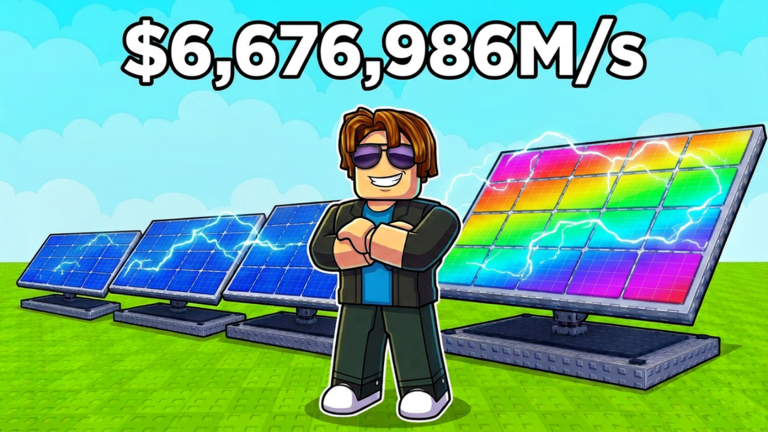
Official artwork depicts both basic-looking containers and advanced-looking machines. However, public sources do not supply names, unlock requirements, or exact values. Compare only the information the current interface provides when choosing between available options.
Those words appear in the official experience icon. The public description does not confirm an offline-progress feature or explain any eligibility, cap, rate, or collection rule, so this guide does not promise one.
Check careful answers to current feature questions →
CONTINUE THE ROUTENext: avoid common mistakesLearn how to recover when a new grid grows faster than your understanding.
→